

.jpg)
Vertical siding continues to gain momentum because it offers something many exterior designs need: clean architectural lines, strong visual height, and more design flexibility than ever. If you are comparing vertical siding ideas for a new build - or a renovation - today’s choices go far beyond basic panel products.
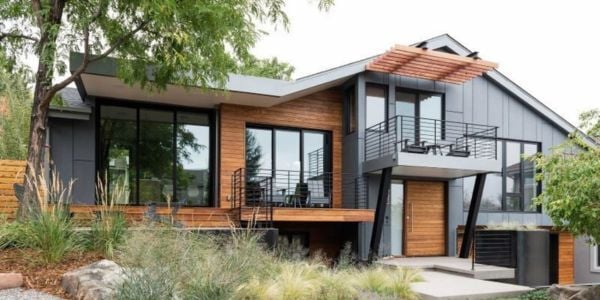
 Vertical wood siding creates strong architectural lines and a clean exterior look for both modern and traditional homes. Shown here: Arbor Wood Burnish burned pine wood siding with a black oil finish
-
Vertical Siding Has Evolved - Start with the Right Siding Material
-
Vertical Siding Installation Options
From high-density wood and thermally modified wood siding for houses, Trespa siding, and advanced rainscreen assemblies, there are now more ways to create a premium vertical exterior that is visually striking and built to last.
If you are considering vertical siding for your project, the most successful result comes from pairing the right siding material with the right installation method. Let's explore the siding systems and materials that can help bring your vertical design to life.
Why Vertical Siding Ideas Are So Popular
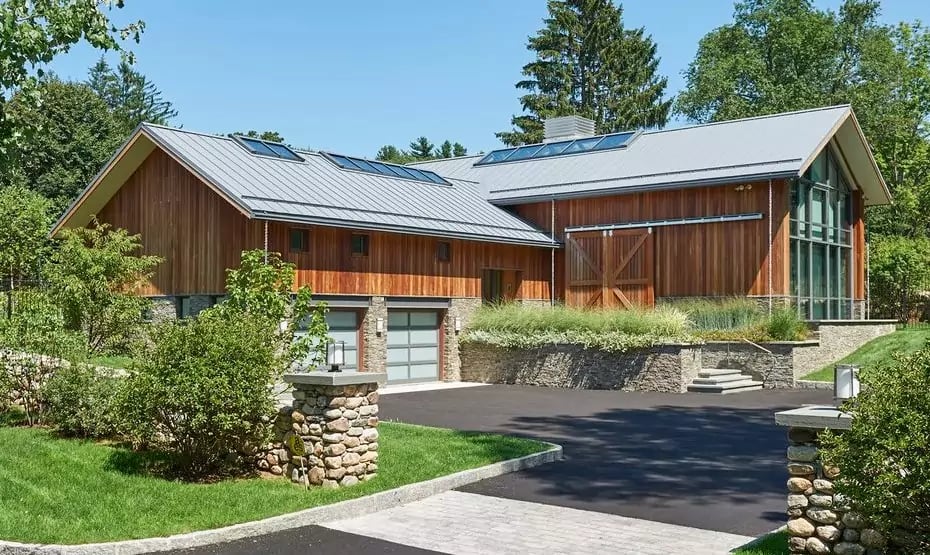 Vertical wood siding creates strong architectural lines and a clean exterior look for both modern and traditional homes. Shown here: Ipe wood rainscreen siding
The appeal of vertical siding starts with proportion. Vertical lines draw the eye upward, giving an exterior a taller, cleaner, and more intentional appearance. That makes vertical siding a strong fit for:
-
modern homes
-
transitional homes
-
mountain homes
-
coastal homes
-
cabins and cottages
-
light commercial buildings
Many architects and homeowners also appreciate the versatility of vertical layouts. The best vertical siding options can feel rustic, tailored, modern, or understated depending on the siding species, profile, spacing, and finish.
Why designers continue to choose vertical siding
-
-
creates a taller-looking façade
-
adds clean, linear visual rhythm
-
works across traditional and contemporary styles
-
pairs well with real wood and engineered cladding
-
supports high-performance exterior wall design when used with a rainscreen system like Climate-Shield.
-
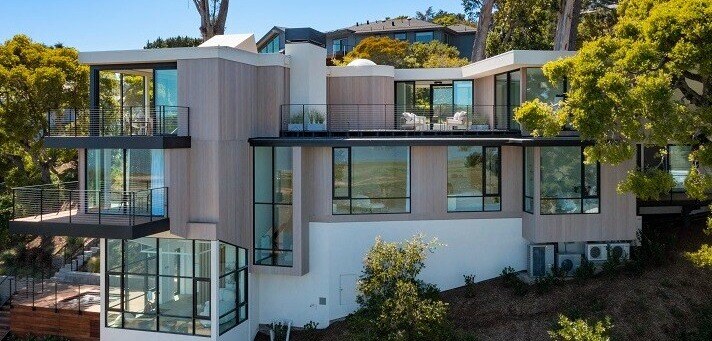
Vertical siding draws the eye upward, helping create a taller, cleaner, and more intentional exterior design. Shown here: Mataverde SaferWood Thermally Modified Fire-Retardant Treated Wood Siding with a custom stain.
Vertical Siding Has Evolved
Years ago, vertical siding was often associated with low-cost sheet goods selected mainly for speed and economy. Those materials served a purpose, but they offered limited design flexibility and did little to elevate the appearance of the exterior.
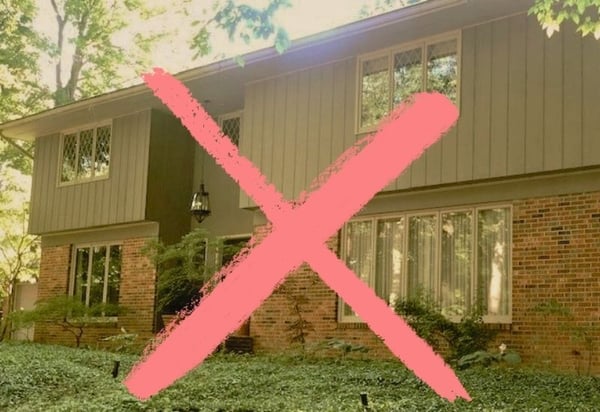
Your grandfather's vertical siding: Old T1-1 panels were used on this 1980's raised ranch giving it a flat, unnatural look. |

Today's vertical siding: Climate-Shield Rainscreen System increases design flexibility. Shown: Garapa wood rainscreen siding |
Modern vertical siding ideas are much more sophisticated. With better cladding options and more advanced rainscreen installation methods, vertical exteriors can now deliver strong curb appeal, healthier wall performance, and a longer service life.
That is why many designers now consider vertical cladding one of the best vertical siding approaches for a distinctive and lasting exterior.
Start with the Right Siding Material
When selecting wood siding or comparing cladding materials for vertical siding for a home, material performance matters just as much as appearance.
Softwood Siding Options
Western Red Cedar and other softwoods remain a familiar choice in wood siding for houses. Their natural warmth and classic wood character make them appealing across many architectural styles.
However, they generally require a regular finishing schedule. Paint, stain, or exterior oil finishes are important to help reduce the risk of moisture intrusion, weathering, rot, and decay over time. Frequent cleaning as needed is also a consideration.
Hardwood Siding Options
For projects where weather and impact durability is a higher priority, hardwood siding offers a stronger natural-performance profile. Sustainable species such as Ipe, Garapa, Cumaru, FSC Machiche, and Jatoba provide:
-
-
exceptional density
-
strong wear resistance
-
long service life
-
strong performance in exterior environments
-
Hardwoods are especially effective in a robust rainscreen installation like Climate-Shield Rainscreen, where airflow and drainage can support and increase the longevity of the siding as well as the wall assembly behind it.
See more siding design ideas and get inspired in the Rainscreen project photo gallery
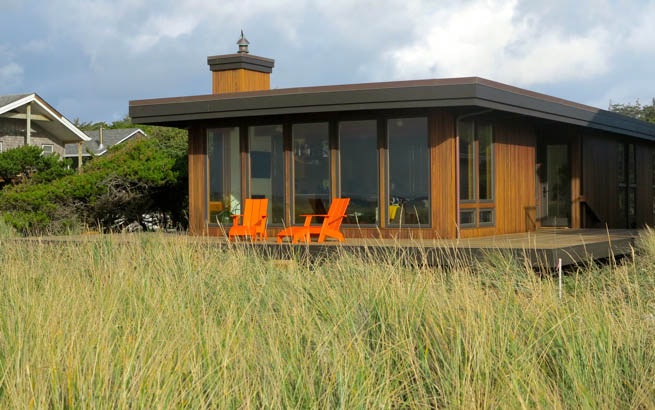 High-density hardwood siding offers long-lasting performance and a premium natural appearance. Shown here: Ipe hardwood vertical and horizontal applications using Climate-Shield rainscreen system
Thermally Modified Wood Siding Ideas
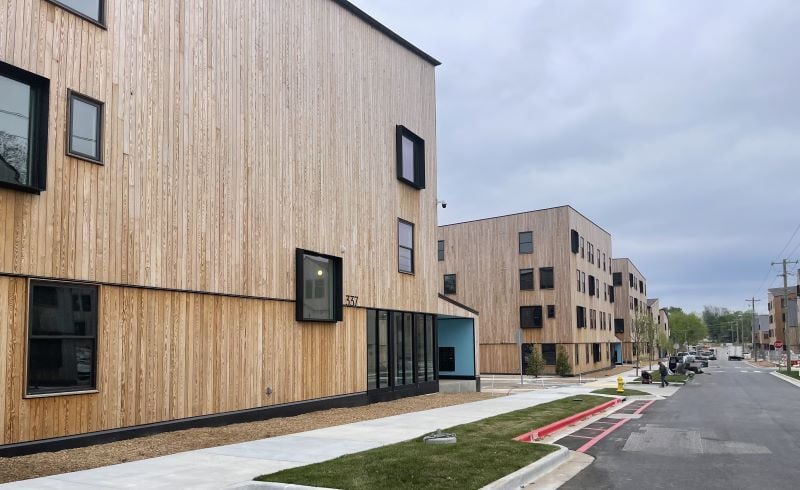 Thermally modified wood siding meets project budgets and aesthetic vision while remaining a robust, stable siding option. Shown Here: Thermally modified Southern Yellow Pine from Arbor Wood
Thermally modified wood siding has become one of the most compelling categories in exterior design because it combines the beauty of real wood siding with improved dimensional stability and durability.
The thermal modification process uses heat and steam to alter the wood at the cellular level. This helps improve resistance to:
-
-
rot and decay
-
insects
-
moisture absorption
-
expansion and contraction
-
For homeowners and designers who want natural wood with better performance, thermally modified cladding is one of the most important vertical siding ideas to consider.
Mataverde Thermally Modified Hemlock for Vertical Siding
Mataverde ThermaWood Hem-Fir remains a strong option for vertical applications. It offers a refined appearance and increased stability compared with unmodified softwoods, making it well suited to clean-lined vertical designs. It's also available in WUI-approved SaferWood fire-retardant treated wood.
Thermally modified Hemlock works well in traditional siding profiles such as tongue and groove and nickel gap, as well as rainscreen, which gives designers flexibility when evaluating vertical siding options.
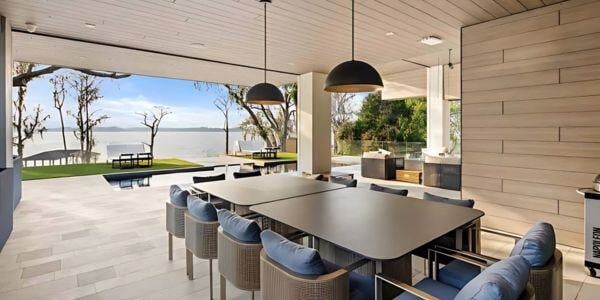
%20ThermaWood%20FR%20Hem-Fir%20Siding%20Project%202024/ThermaWood%20FR%20Hem-Fir%20Siding%20Outdoor%20KItchen%20interior%20view%20The%20Ridge%20House%20project%20CA.jpg?width=600&height=698&name=ThermaWood%20FR%20Hem-Fir%20Siding%20Outdoor%20KItchen%20interior%20view%20The%20Ridge%20House%20project%20CA.jpg) Mataverde SaferWood Hem-Fir offers a refined appearance and improved stability for vertical application, like on this pool house where it was used on the open interior, ceiling, and pergola overhang.
Mataverde SaferWood Hem-Fir offers a refined appearance and improved stability for vertical application, like on this pool house where it was used on the open interior, ceiling, and pergola overhang.
Arbor Wood Thermally Modified Cladding
.jpg?width=973&height=669&name=Old%20vertical%20siding%20(1).jpg)
Thermally Modified Wood Siding combines the natural aesthetic of real wood with significantly improved durability and stability. Shown here: Arbor Wood thermally modified Ash cladding
Arbor Wood adds an important new option under the thermally modified category. Arbor Wood siding is available in:
-
-
thermally modified American White Ash
-
thermally modified Southern Yellow Pine
-
several finish options from oil to burned and brushed
-
also available in WUI-approved SaferWood fire-retardant treated wood
-
Arbor Wood offers several important benefits for premium exterior applications:
-
-
improved dimensional stability
-
reduced moisture absorption
-
strong resistance to rot, decay, and insects
-
chemical-free thermal modification using only heat and steam
-
long-lasting natural wood beauty
-
Arbor Wood Ash Siding
Arbor Wood Ash Siding offers rich tones, distinctive grain character, and a premium-clear hardwood appearance. It is an excellent choice for projects where architectural warmth and long-term performance are equally important.
Arbor Wood Pine Cladding
Arbor Wood Pine Cladding is manufactured from thermally modified Southern Yellow Pine and offers durability, stability, and design flexibility. It is available in profiles including nickel gap tongue and groove and fluted siding, making it a strong fit for premium vertical applications.
Arbor Wood is also available in multiple finish options, including clear oil, brushed and oiled looks, and charred Shou Sugi Ban-inspired finishes for more contemporary exteriors.
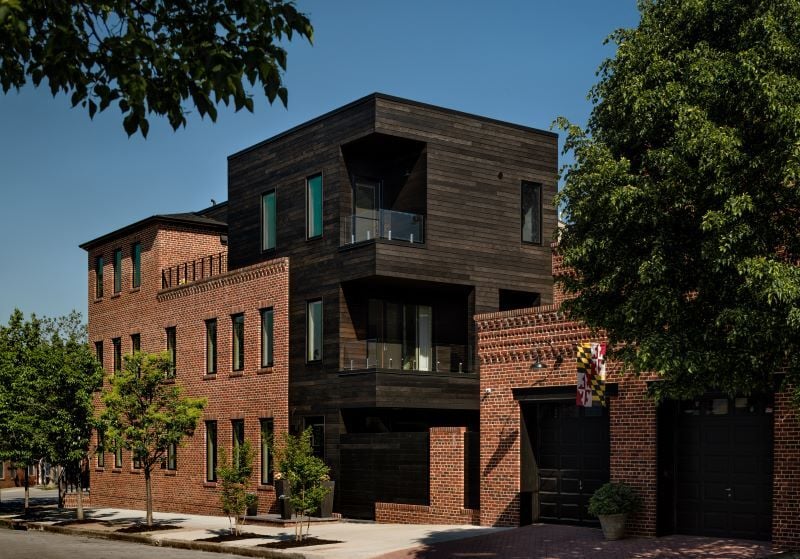 Arbor Wood Burnished Wood Collection offers aa distinct visual character and long term exterior performance that can wrap and interior or act as a stand out accent. Shown here: Arbor Wood Burnished and Brushed pine with a black oil finish.
Interested in vertical wood siding? Request samples for your project.

Vertical Rainscreen Can Create a Board-and-Batten Look
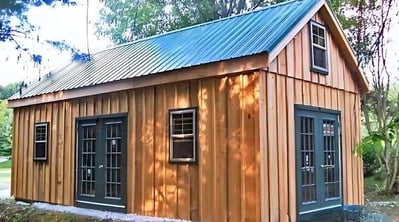
Traditional Board and Batten Cedar Siding |
.jpg?width=409&height=204&name=Untitled%20design%20(14).jpg)
Ipe Wood Rainscreen Siding |
Many people searching for board and batten vertical siding are drawn to the appearance of strong vertical rhythm and shadow lines. That look remains especially popular on:
- cottages
- cabins
- barns
- garages
- woodland homes
- transitional homes
While Mataverde does not offer a traditional board-and-batten profile, what we do offer is something many designers find even more compelling: vertical wood rainscreen siding that can create a similar appearance while delivering a better-performing installation system.
With the Climate-Shield Rainscreen System, vertical cladding can achieve a comparable visual effect while also improving drainage, ventilation, and installation efficiency. That means you can capture the look many people associate with board and batten vertical siding, but with a more advanced and effective siding system.
Trespa Siding as an Alternative Vertical Siding Option
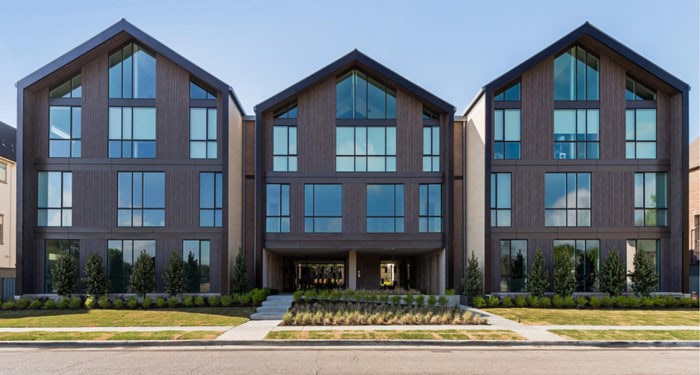
Pura NFC siding offers a smart, refined wood-look exterior choice where lower maintenance and high design flexibility is paramount. Shown here: Pura NFC Siding by Trespa in Aged Ash wood décor on an apartment complex
Not every project calls for real wood. For clients who want a wood-look exterior with a more consistent color or different maintenance profile, Pura NFC by Trespa siding can be a strong alternative.
Trespa siding is not real wood, but it offers a refined wood-look appearance in an engineered cladding product designed for weather resistance and color durability. For some projects, it can be a useful part of the wider range of vertical siding options, especially where lower maintenance is a primary goal.
Pura siding can be installed as a rainscreen with the method we created just for Pura rainscreen profiles, the Climate-Shield CST1 Rainscreen System.
 Designed with random lengths of mixed colors, this restaurant façade creates interest and movement as well as height with consistent colors versus natural wood. Shown here: Pura NFC siding wood decors in Tropical Ipe and Western Red Cedar installed with Climate-Shield CST1 System.
Why vertical rainscreen is a smart alternative
- creates a similar vertical visual rhythm
- supports drainage and ventilation behind the siding
- improves wall assembly performance
- helps reduce moisture-related problems
- offers a more advanced installation system than traditional board-and-batten methods
Modern Vertical Siding Ideas Focus on Performance Too
Today’s best exterior walls are not chosen by appearance alone. The most effective vertical siding designs also support:
- moisture management
- ventilation
- durability
- sustainability
- lower maintenance over time
That is why a dedicated rainscreen system has become so important in premium exterior design. A properly designed rainscreen assembly creates a drainage and ventilation space behind the siding, helping the wall dry more effectively and perform better over time.
For many projects, the difference between attractive siding and truly high-performing siding comes down to choosing the smartest rainscreen installation strategy.
Vertical Siding Installation Options
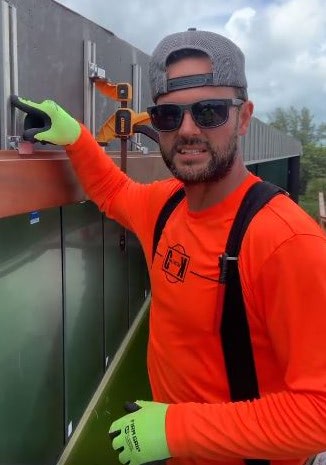 Climate-Shield vertical rainscreen siding installation with Garapa rainscreen. Photo courtesy of @ck_construction
There are several ways to install vertical siding, but not all methods perform equally well.
1. Direct-to-Wall Installation
In the most basic method, siding is installed over the exterior sheathing with an appropriate weather barrier behind it. While straightforward, this approach does not offer the drying and ventilation benefits of a true rainscreen system.
2. Installation Over Furring Strips
Furring strips can create a cavity behind the siding, but they also increase:
-
-
labor
-
material use
-
wall depth
-
detailing complexity around windows and doors
-
In some cases, traditional furring-strip approaches can also create moisture-management issues in corners and other places where water can't escape and gets trapped against the building.
3. Dedicated Rainscreen Installation
For premium vertical cladding, a properly designed rainscreen installation is often the best long-term solution. A well-designed rainscreen system helps improve:
- drainage
- ventilation
- drying potential
- siding longevity
- wall assembly performance
To see a demonstration of the different methods, watch this short video:
The Climate-Shield Rainscreen System is especially effective for vertical wood siding because it helps simplify installation and avoids the labor burden of a double furring-strip grid. It creates a consistent drainage and ventilation gap and supports a healthier wall assembly overall.
Arbor Wood cladding is approved for use with the Climate-Shield Rainscreen System, making it a strong fit for projects that prioritize appearance, efficiency, and long-term performance.
Want to know more about the differences in rainscreen styles? Check out this video:
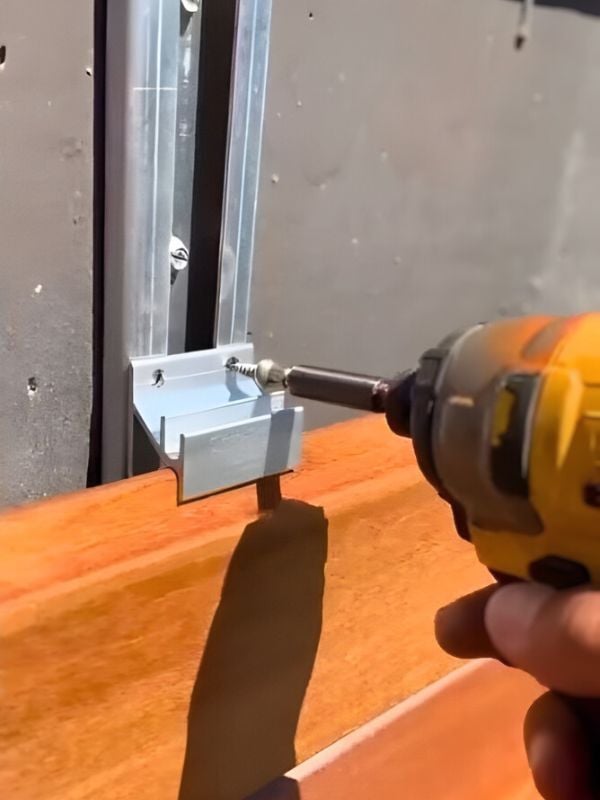
A properly designed rainscreen system installation improves drainage, installation, and long-term wall performance.
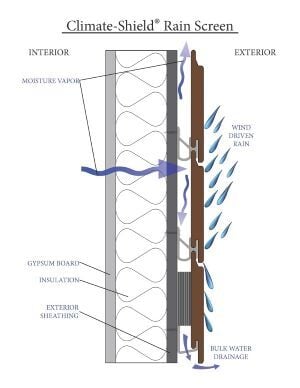
Climate-Shield Rainscreen bulk water and humid air management diagram |
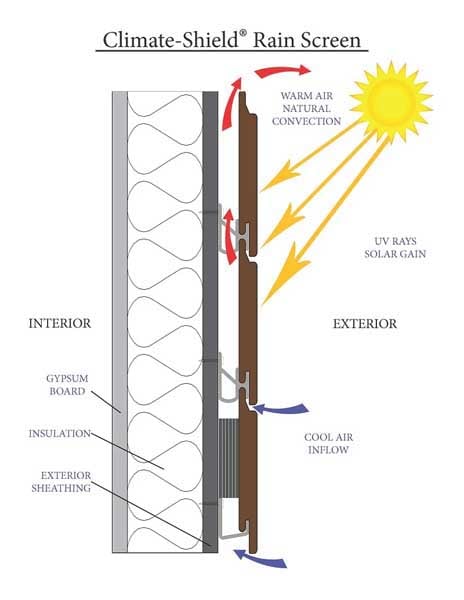
Climate-Shield Rainscreen warm air natural convection air management diagram |
See how the Climate-Shield Rainscreen System helps your project, learn more about installation here.
Final Thoughts on Vertical Siding
The most successful vertical siding ideas do more than create a striking façade. They combine the right material, the right profile, and the right installation method to create an exterior that is attractive, durable, and built for long-term performance.
Whether you are evaluating hardwoods, thermally modified wood, Trespa siding, or a high-performance rainscreen system, there are now more high-quality vertical siding options than ever before.
And if you like the look often associated with board and batten vertical siding, vertical rainscreen assemblies can deliver a similar appearance with a better installation system and better moisture-management performance.
From premium wood siding for houses to advanced wall assemblies built with the Climate-Shield Rainscreen System, today’s best vertical siding choices make it possible to create a home or building exterior that looks current, beautiful, and built to last. Questions? Feel free to contact us anytime or check out the links below.
Ready to choose the best vertical siding for your project?
Request samples, pricing, or technical guidance from the Mataverde team.

FAQ Section
Frequently Asked Questions About Vertical Siding Ideas
Q. What is the best vertical siding for a home?
A. The best vertical siding for a home depends on your priorities. If you want natural wood beauty with stronger long-term performance, thermally modified wood and hardwood cladding are strong options. If lower maintenance is the main goal, engineered products such as Trespa siding may also be worth considering.
Q. Can vertical rainscreen siding look like board and batten?
A. Yes. Vertical rainscreen siding can create a board-and-batten-inspired appearance while offering a better installation system and improved moisture management.
Q. Is a rainscreen system worth it for vertical siding?
A. In most cases, yes. A properly designed rainscreen system can improve drainage, ventilation, and drying potential behind the siding, which supports better wall performance over time.
Q. What is the benefit of thermally modified wood siding?
A. Thermally modified wood siding offers improved dimensional stability and stronger resistance to rot, insects, and moisture-related movement while maintaining the beauty of real wood.

Related Posts