

As a native New Englander, snow is simply part of life. I love those cozy moments by the fire with a hot cup of coffee, watching the snow drift down onto the deck… until that gentle dusting turns into actual drifts and I have to start thinking about shoveling.
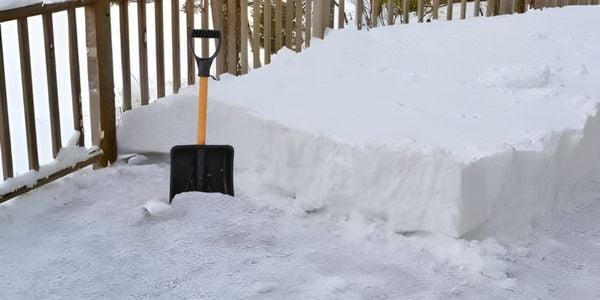
 A plastic snow shovel is always best shoveling a deck
Besides clearing the driveway, doorways, and walkways, there’s also my deck to worry about. Ours wraps around the entire back of the house, so tackling it feels like its own winter workout.
Whether your knee deep in drifts or thinking about maintaining a new deck, we’ve put together some practical tips from our in-house experts to help you clear your deck of snow and ice without doing any damage.
Do’s and Don’ts of Removing Snow from Your Deck
1. Do “Use a plastic shovel. Always.” - Chris, COO
This is the number‑one thing all our experts agree on.
A metal shovel can gouge or scratch your decking, and repairs aren’t cheap. They also warn against those metal shovels with a rubber edge. The rubber piece tends to slip off mid‑shovel, turning your safe tool into a surprise blade.

Different decking materials damage differently:
- Composite boards scratch easily and can’t be repaired; damaged boards must be replaced.
-
Softwoods like redwood and cedar also scratch and gouge quickly, often requiring replacement.
-
Thermally modified woods like ash and pine are much harder and more resilient, but even they can get scratched by a metal edge.
-
Hardwoods like Ipe and Jatoba have the highest density and natural durability, making them very resistant to gouging — but not invincible. Scratches usually can be sanded out.
No matter what your deck is made of a plastic shovel is always the safest bet.

Steve, our company President, prefers hardwood decks and chose one for his home on the New England shore. He points out a big perk of high‑density hardwood: “It won't absorb water and isn’t easily damaged by shovels.”He also reminds you that "All types of decking is slippery in the snow so be careful!".
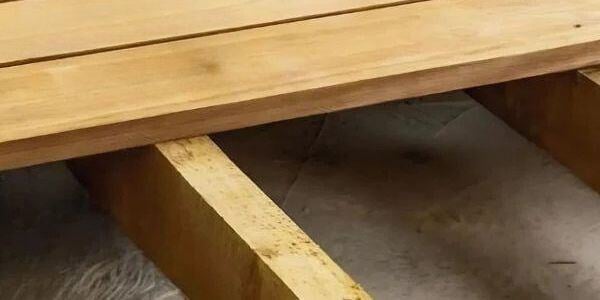
 Ipe wood deck, on this rooftop deck, is the hardest, highest density hardwood and tolerates shoveling and heavy snow beautifully
Thinking about a new deck? Request A Decking Sample Now

2. Just a dusting? Do grab a broom.
If you’ve only got an inch or two of fluffy snow, a broom works surprisingly well. A regular house broom or push broom will sweep it right off without risking any scratches.
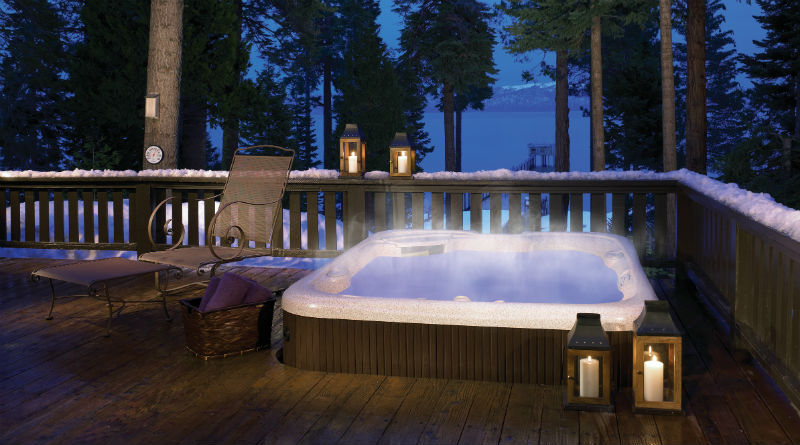 You can safely and easily clean up your winter escape on the deck with just a broom when it's light snow
3. You Don’t Have to Clear the Whole Deck
Unless you want to.
Snow won’t damage your deck. If you’re tempted to shovel every square inch “just in case,” don’t stress. Snow and water aren’t as harsh on decking as people assume. As long as your deck is maintained and has good drainage underneath, the melting snow will handle itself.
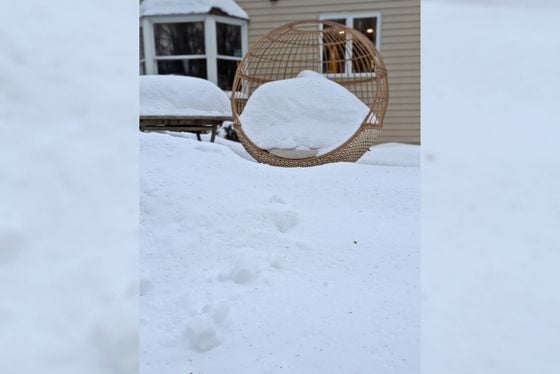 Some areas of the deck can wait until Spring
4. Do Clear for Safety
Here are the basics I always follow:
- Clear doorways and paths first.
You should always have two ways out of your home in case of an emergency. My back door opens onto the deck, so I keep that path, and the steps, shoveled and ice‑free.
-
Got a pet? Make them a trail.
When the snow gets deep, we shovel a narrow trail so our dog can reach a cleared spot in the yard and… take care of business. It makes life easier for everyone involved.
-
Clear a path to anything you actually use on the deck.
We keep our firewood on the deck, so we maintain a route to it. Maybe you’re committed to grilling steaks all winter. Maybe you’re into ice baths (I still don’t understand it, but okay). Whatever your winter habits, keep a safe, slip‑free path and sprinkle a little kitty litter for traction.
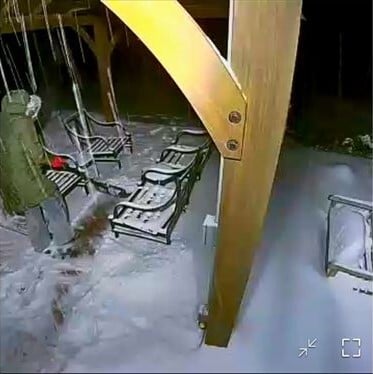
Actual photo of me clearing a path on my deck for my dog
 A mountain ski lodge rooftop deck with Hemlock Thermally Modified Wood
Winter is a great time to plan your new deck. So is Spring, Summer, and Fall.
Download our Deck Design Ideas eBook with over 150 deck design images

5. Don’t panic about snow load… unless it reaches your deck rails.
A foot of snow weighs roughly 20 pounds, and any deck built to code can support one to two feet without an issue. But if a storm dumps 3 to3.5 feet, roughly the height of your railings, that’s when the load becomes too much and you should clear it off.
6. Do shovel in the same direction as your deck boards.
Shovel along the boards, not across them. Moving the shovel across the grain makes it easy for the blade to catch an edge. A quick way to leave a scratch or gouge you didn’t plan on!
7. Do use a deck‑safe snow blower.
Big deck? Heavy winters? Hate shoveling?
A single‑stage snow blower or power snow shovel can be a lifesaver. They’re light enough to bring on the deck and can clear 6–10 inches of snow, saving your back.
8. Do watch out for falling snow and ice.
Snow and ice sliding off your roof can hit your deck hard and cause damage to your decking.
Never push roof snow onto your deck. Clear away large icicles or frozen chunks hanging above to protect both your deck and you from falling objects.
Ice removal tips:
9. Don’t chop at ice on your deck.
Even with a plastic shovel, you’ll almost certainly end up digging into a board. Instead, try these safer methods:
10. Do use hot water.
Our Project Manager and Technical Director, Chuck, simply pours hot water on icy spots and lets it drain.
He also says: “Use your legs, not your back” when shoveling (Good advice.)

11. Do use kitty litter for traction.
Choose non‑clumping clay or silica litter. Clumping litter turns into a gray, slippery mess. Non‑clumping versions don’t melt ice but provide great traction — and they're safe for pets, plants, and your deck. Skip colored “crystal” litters; they can stain.
12. Don’t use chemical ice melt (but if you must, use it sparingly).
I know a lot of people say it’s fine, but our experienced staff strongly discourage it. Most ice melt products use Calcium Chloride, a salt that seeps into softwoods, cement, and flagstone. It corrodes metal. It also harms plants and irritates pets’ paws.
Calcium Chloride also creates extra work. If it’s overused, allowed to build up, or left on your deck for too long, it leaves behind a powdery white residue.
Over time, that residue can discolor your composite deck’s finish. On wood decks, long-term build up can lead to swelling, warping, and cracking of wood decking.
To avoid this use in moderations and, once the snow melts, sweep up any leftover granules. Rinse the deck thoroughly to prevent buildup.
13. Don’t use rock salt or sand.
Rock Salt: Rock salt melts ice and adds traction, but it’s extremely harsh on all decking. Wood, composite, stone, concrete, everything. Plus, it raises the salinity of your soil.
Sand: When I asked about sand and decks, everyone said it’s a no‑go. Yes, it adds traction… but it’s an abrasive used in industrial grinding. Your deck finish doesn’t stand a chance.
Clearing snow from your deck doesn’t have to be a dreaded chore.
With the right tools, a few smart habits, and a healthy respect for gravity and frozen water, you can keep your deck in great shape without sacrificing your sanity (or your lower back). Whether you’re clearing walkways, carving out a dog‑friendly runway, or just trying to avoid gouging your boards with the wrong shovel, a little care goes a long way. Stay safe, take it slow, and may your deck - and your patience - make it through winter in one piece.
If you’re planning a new deck or replacement deck, we’re here to help. Contact us for more information on the best wood decking for your project that can withstand the toughest winters.
FAQ: How to Safely Remove Snow From Your Deck
1. Do I need to shovel all the snow off my deck?
Not usually. Most decks can handle normal snowfall without any issues, and snow itself won’t damage your decking. As long as your deck has proper drainage and is well maintained, the melting snow will take care of itself. Only clear the whole deck if you want to or if safety requires it.
2. When is snow too heavy for my deck?
Snow becomes a problem when it reaches about 3 to 3.5feet, which is roughly the height of most deck railings. At that point, the weight can exceed what the structure is designed to hold. Anything below 1–2feet is generally safe for decks built to code.
3. What’s the safest way to shovel snow off a deck?
Always use a plastic shovel and shovel with the direction of the deck boards, not across them. Shoveling perpendicular to the boards can cause the shovel to catch an edge and scratch or gouge the surface.
4. Can I use a metal shovel on my deck?
No. Metal shovels can easily scratch or gouge composite,softwood, thermally modified, and even hardwood decking. Even metal shoves with rubber edges are risky because the rubber often slips off mid‑shovel.
5. Is it OK to use ice melt products on my deck?
It’s best to avoid chemical ice melt. Most contain Calcium Chloride, which can stain, corrode, damage wood fibers, irritate pets’ paws, and harm plants. If you must use it, apply sparingly and rinse the deckonce the snow melts to prevent residue buildup.
6. What can I use for traction on icy spots?
Use non-clumping kitty litter (clay or silica). It adds traction without damaging your decking. Avoid clumping litter, which turns to mush, and avoid colored “crystal” litters that can stain.
7. Is rock salt safe for decks?
No. Rock salt is extremely harsh on wood, composite,concrete, and stone surfaces. It can also increase soil salinity around your deck.
8. Can I use sand on my deck?
No. Sand is highly abrasive—so abrasive that it’s used for industrial grinding. It can quickly destroy your deck’s finish.
9. How do I remove ice from my deck without damaging it?
Never chop at ice. Instead, use hot water to melt the icy area and let it drain naturally, then use kitty litter for traction.Chopping ice, even with a plastic shovel, can damage your boards.
10. Can I use a snow blower on my deck?
Yes—if it’s a single‑stage snow blower or a power snow shovel. These lighter machines are safe for decking and excellent forclearing 6–10 inches of snow without strain.
11. Will snow damage composite decking?
Snow itself will not damage composite decking, butscratching it with a metal shovel will. Composite scratches cannot be repaired;the boards must be replaced—another reason to stick with a plastic shovel.
12. Do I need to clear a path on my deck?
Yes, clear essential areas such as doorways, stairs, and anything you use regularly—firewood access, the grill, or a dog‑friendly route to the yard. Prioritize safety and accessibility.

Related Posts