
The Shift in the Market: Why we are at the tipping Point. As we move into the new year, the architectural community has reached a definitive "tipping point" regarding building materials. The demand for biophilic design - bringing the warmth of real wood and nature into modern structures - has never been higher, yet the traditional supply chains for high-grade wood are under unprecedented strain.
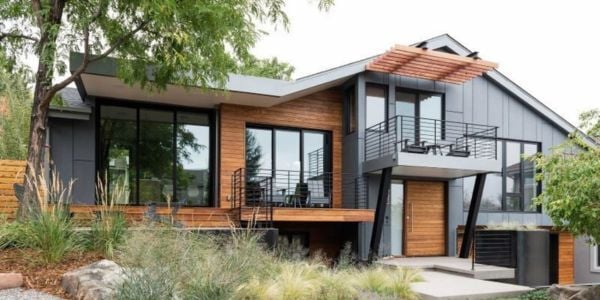
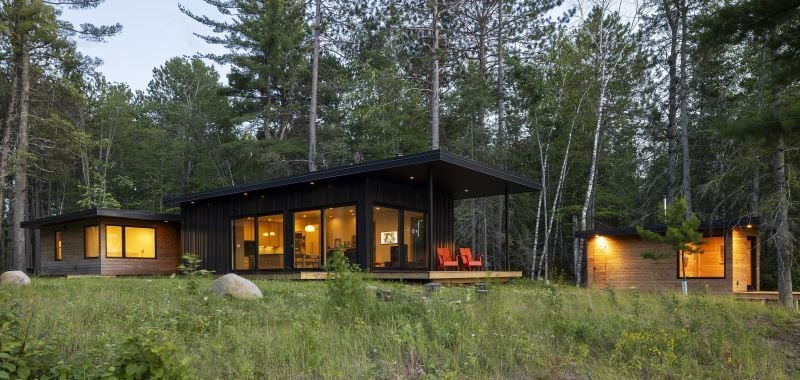 Gorgeous Arbor Wood Southern Yellow Pine thermally modified wood siding and decking with contrasts dark and light finishes on a contemporary home
The Specifier’s Dilemma
Architects and builders currently face a difficult choice: the rising, volatile costs and declining quality of clear Western Red Cedar, or the higher carbon footprint and logistical complexities of importing tropical hardwoods like Ipe or Cumaru.
The Solution: The Mataverde®+ Arbor Wood™ Partnership
Introducing a new standard in high-performance cladding: Mataverde+ Arbor Wood. This partnership offers architects, designers and builders a high-performance siding alternative that provides the durability of tropical species and the workability of domestic softwoods, all without chemical treatments.
This partnership was created to be your dependable one-stop-source for sustainable, high-performance Arbor Wood building envelopes backed by generations of expertise and personalized technical help from Mataverde Sustainable Siding and Decking Solutions.
Visit the Thermally Modified Wood Siding Project Photo Gallery for more inspiration
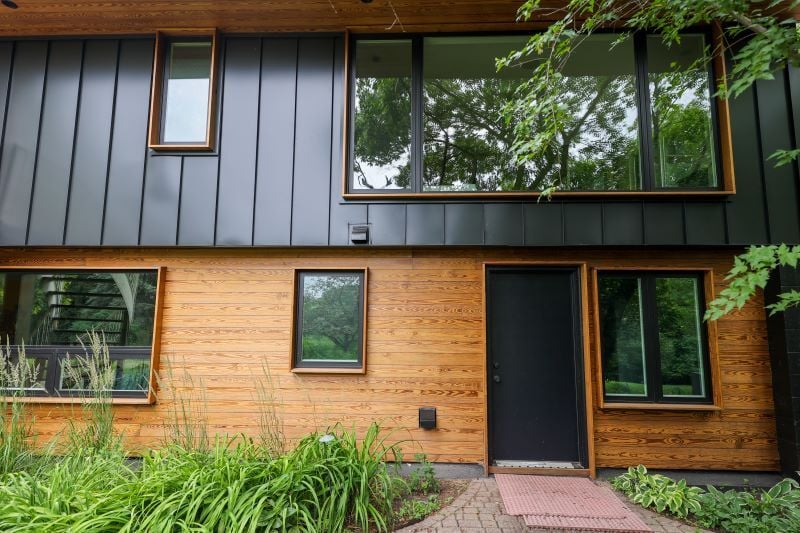
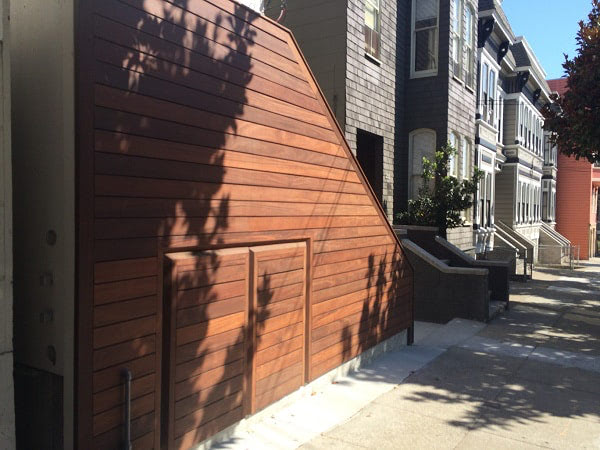
Arbor Wood Pine thermally modified wood siding installed horizontally to wrap this home façade
The Siding Market Context: Why Traditional Species are Faltering
The Cedar Crisis
Record-high prices for premium Cedar grades have forced a search for more stable, domestic alternatives. Western Red Cedar was once the gold standard for siding, but price volatility and a decline in available clear grade quality have made it a risky specification. As old-growth supply diminishes, builders are often left with lower-grade material that is prone to knots and structural imperfections.
Tropical Hardwood Constraints
While high-density species like Ipe are incredibly durable and beautiful, the carbon footprint of shipping heavy timber across continents is increasingly difficult to justify in a demanding landscape of LEED-certified and carbon-neutral projects. Even the most responsibly harvested tropical woods carry logistical burdens today.
The Softwood Performance Gap
Untreated softwoods like unmodified Pine, Redwood or lower-grade Cedar struggle with the demands of modern high-performance building envelopes. Without modification, these species are highly susceptible to warping, cupping, and rapid maintenance cycles that frustrate homeowners and developers.
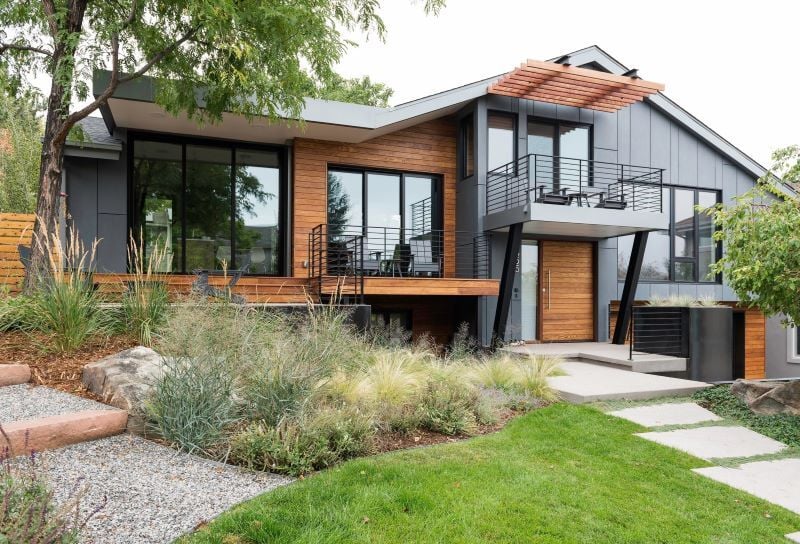 Arbor Wood Thermally Modified Ash Siding creates a beautifully long lasting exterior
Check out this short Arbor Wood product review for more:
The Science of Arbor Wood: Transformation at the Core
-
The Process
Using the Thermowood® method, wood is subjected to high heat (up to 450°F) in a strictly oxygen-free environment. This is not merely a surface treatment; it is a cellular transformation. Notably, Arbor Wood is the only U.S.-approved member of the International ThermoWood Association, ensuring adherence to the strictest global standards for thermal modification.
-
Hydrophobicity (Water Resistant)
The thermal modification process breaks down hydroxyl groups (functional group of one oxygen atom covalently bonded to one hydrogen atom) within the wood’s cellular structure. This reduces the wood's ability to bond with water molecules by up to 60% (@International Thermowood Association). In layman's terms, it is now less porous and will not absorb water they way unmodified Ash or Pine will, preventing mold, rot and decay for starting. The result is a material that is naturally resistant to moisture-related movement.
-
Sugar Removal
By "cooking out" hemicellulose (wood sugars), the modification process removes the primary food source for rot, decay, and insects (@U.S. Forest Products Laboratory). It also hardens the wood, combined with a lack of sugars it is significantly less attractive to insects. This renders the wood naturally durable without the need for toxic chemical injections.
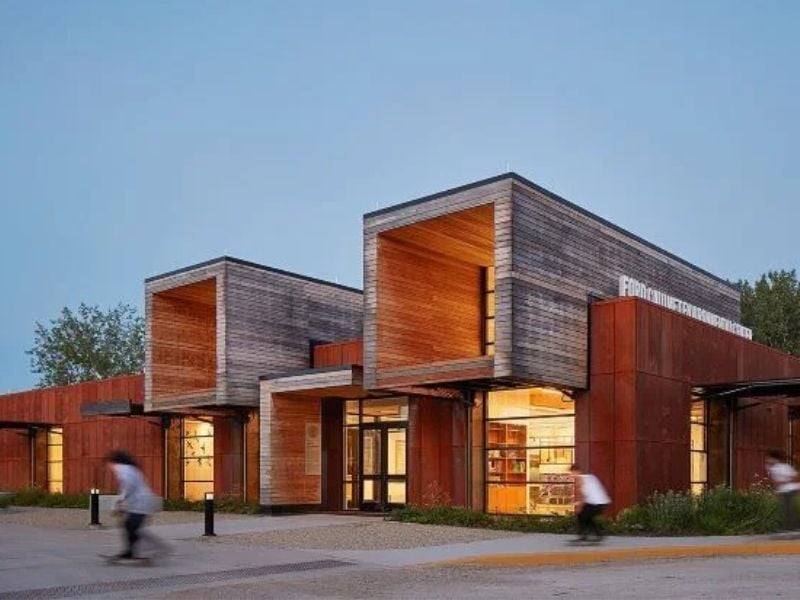 Mataverde+ Arbor Wood Ash thermally modified wood siding at an Environmental Center in Michigan
Durability Comparison: Arbor Wood vs. The Usual Choices
-
Stability Metrics
Arbor Wood exhibits significantly less expansion and contraction than Cedar. This dimensional stability makes it the ideal choice for tight-tolerance profiles, such as Nickel Gap, where movement can ruin the architectural aesthetic.
-
Decay Resistance
Arbor Wood achieves Class 1 & 2 Durability Ratings. This puts domestic North American species on equal footing with Teak and Ipe in terms of longevity and resistance to the elements (@International Thermowood Association).
-
Mechanical Properties
Unlike some thermal modification processes or standard kiln drying methods that can leave wood brittle, Arbor Wood maintains its structural integrity. The hardness of domestic species like Ash is actually enhanced through the process, making it very resilient against impacts from storm debris or swinging tree limbs (@U.S. Forest Products Laboratory).
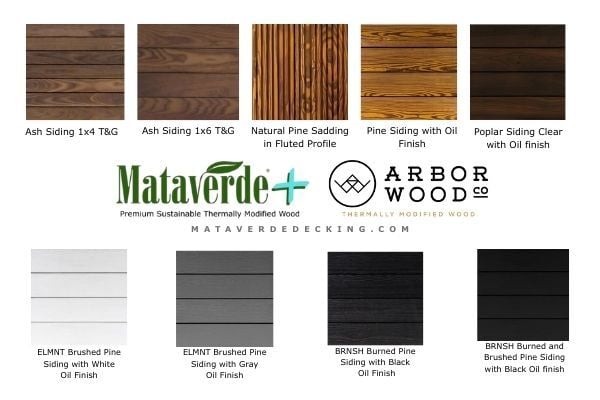 A multitude of Arbor Wood siding finish options to choose from
Looking for Rainscreen profiles? Request a sample today:

Comparison Chart : Arbor Wood vs Cedar and Composite Siding
|
Feature |
Arbor Wood (Ash/Pine) |
Western Red Cedar |
Composite Siding |
|
Stability |
High (Thermal Lock) |
Moderate (Prone to movement) |
Low (Thermal expansion) |
|
Chemicals |
0% (Heat/Steam only) |
Low (Natural oils) |
High (Plastics/Resins) |
|
Service Life |
25–50+ Years |
15–25 Years |
20–30 Years |
|
Carbon Footprint |
Negative (Domestic) |
Low (Domestic) |
High (Manufacturing) |
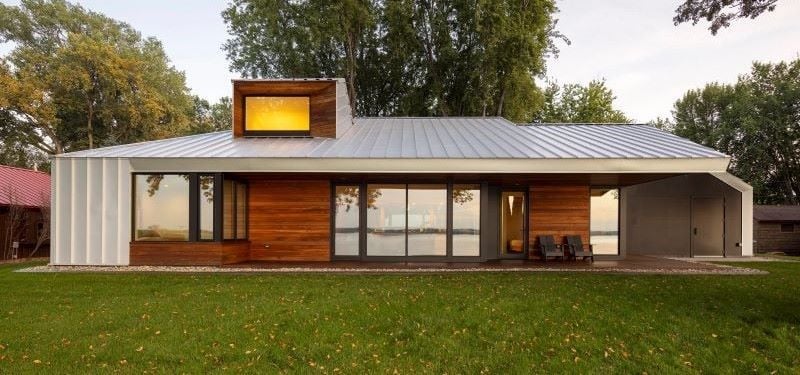 Mataverde+ Arbor Wood Southern Yellow Pine thermally modified wood siding glows on this exterior
Technical Material Performance Comparison: Arbor Wood vs Cedar, Ipe, and Composite Siding
|
Feature |
Arbor Wood Thermally Modified Ash |
Arbor Wood Thermally Modified Pine |
Western Red Cedar |
Tropical Ipe |
Premium Wood-Plastic Composite |
|
Janka Hardness |
1,320 lbs. |
540 lbs. |
~350 lbs. |
3,510 lbs. |
Variable |
|
Durability Class |
Class 1 |
Class 2 |
Class 2-3 |
Class 1 |
N/A |
|
Service Life |
25–50+ Years |
20–30 Years |
15–25 Years |
40–75 Years |
20–30 Years |
|
Stability |
High (60% less move) |
High (60% less move) |
Moderate |
Moderate/High |
Low |
|
Sustainability |
Domestic / Carbon Neg. |
Domestic / Carbon Neg. |
Domestic |
Imported |
High Embodied Energy |
|
Price Point |
Competitive w/ Cedar |
Economical |
Volatile |
Premium |
Moderate to Premium |
The Sustainability Factor: Low-Carbon vs. Composites & Tropical Hardwoods
-
Embodied Energy
Thermally modified wood has a significantly lower carbon footprint than composite siding. Composites rely on high-energy plastic resins and intensive manufacturing processes that contribute to higher overall embodied carbon (@Journal of Cleaner Production).
-
Transportation Carbon
By sourcing domestic North American Ash and Pine, Arbor Wood™ drastically reduces "carbon miles" compared to species imported from South America or Southeast Asia (@Journal of Cleaner Production).
-
End-of-Life
Unlike composite materials, which are often non-recyclable, needs special handling, and is destined for landfills, Arbor Wood is 100% organic and biodegradable.
-
Carbon Sequestration
Wood acts as a carbon sink, and the longer wood siding lasts the more sustainable it is. Arbor Wood retains sequestered CO2 (Carbon Monoxide) for decades, effectively locking carbon into the building envelope for the duration of the siding’s long service life.
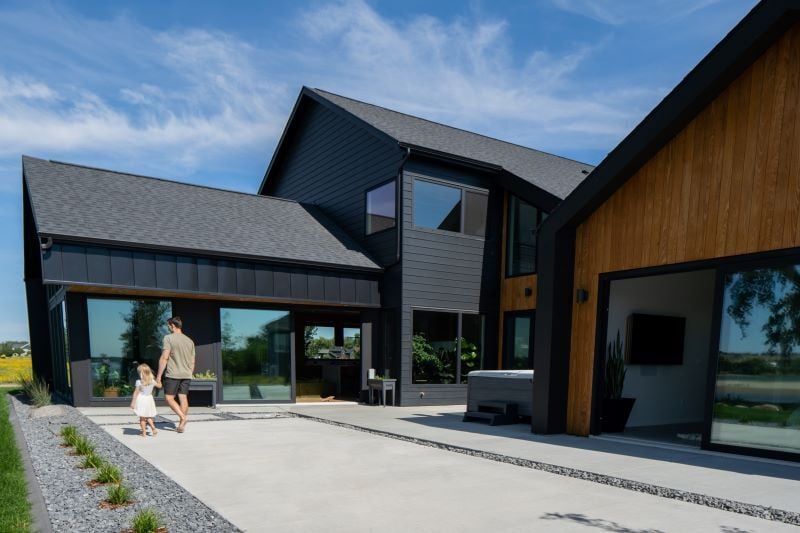 Mataverde+ Arbor Wood Ash thermally modified wood siding in dark and light finishes shows off its versatility
Ready to see pricing for your project? Request a quote here:


Design & Installation for Professionals
Preserving Aesthetics
Architects can choose how the building ages. Applying UV-inhibiting oils protects the rich chocolate-brown hue of the modified wood. Alternatively, the wood can be allowed to "weather out" to a beautiful platinum silver without compromising its structural integrity.
The System Approach
For maximum longevity, Arbor Wood can be integrated with the Climate-Shield® Rain Screen System. This ensures a healthy building envelope by allowing for proper drainage and back-ventilation behind the cladding.
LEED & Green Building
Specifying Arbor Wood contributes to LEED v4.1 credits, specifically under Low Emitting Materials and Sourcing of Raw Materials.
Professional Expert Support Included
Mataverde provides expert support, including CAD drawings, technical problem-solving, and the Mataverde Success Plan, to ensure every project is executed flawlessly.
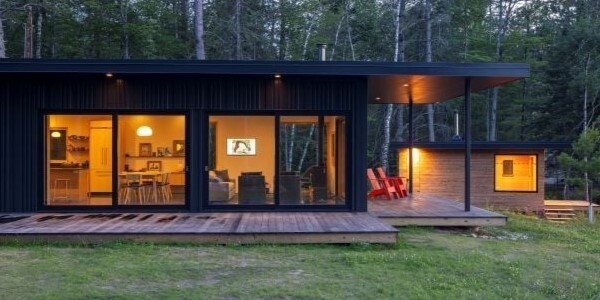
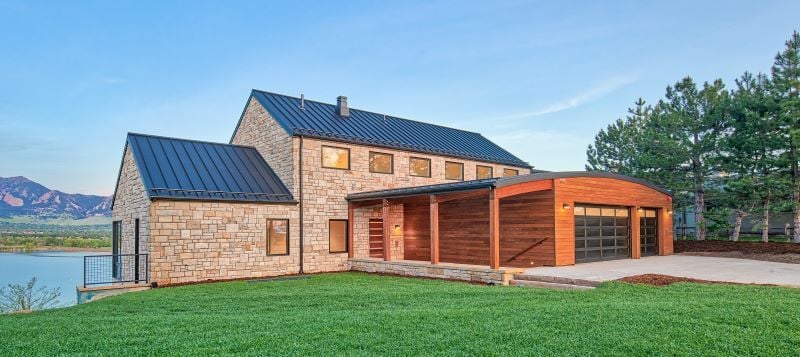 Mataverde+ Arbor Wood Ash thermally modified wood siding on the garage and breezeway accents warms the stone exterior
Want to see it for yourself? Request samples today:

Specifying Wood Siding with Confidence
We hope you agree that the key takeaway is that Mataverde+ Arbor Wood is not just a substitute for traditional siding options; it is an upgrade. For the professional builder, it provides confidence in fewer callbacks, easier installation, and a superior environmental story to share with clients. It achieves the trifecta of modern building: high performance, price stability, and a superior sustainability profile over synthetic alternatives.
We understand that specifying the right cladding is a sophisticated balance of aesthetics, budget, and long-term structural performance. As the market for traditional cedar remains volatile and the environmental impact of composites becomes harder to ignore, Mataverde+ Arbor Wood provides a clear path forward.
Could Arbor Wood thermally modified wood siding be right for your next exterior project? Contact us with questions, for architectural samples, or pricing on your project today.
FAQs
Q. Does thermally modified wood require regular staining?
A. While Arbor Wood does not require staining for structural durability, a UV-inhibiting oil is recommended if you wish to maintain the original dark brown color. Without treatment, it will naturally weather to a silver-grey patina.
Q. How does the cost of Arbor Wood compare to Western Red Cedar?
A. Arbor Wood Ash is typically priced competitively with clear grade Western Red Cedar, while Arbor Wood Pine offers a more economical entry point with superior stability compared to standard softwoods.
Q. Is Arbor Wood brittle to work with?
A. No. Unlike some other thermal modification processes, Arbor Wood’s specific treatment cycle is designed to maintain the mechanical integrity of the wood, making it less brittle and easier to cut and fasten than many competitors.
Q. Can Arbor Wood be used in ground contact?
While Arbor Wood has Class 1 and 2 durability ratings for rot resistance and will not leach, it is primarily designed for above ground use in siding, decking, and cladding applications. If you are looking for ground contact approved thermally modified lumber, check out Mataverde Saferwood Fencing Here or Dimensional Lumber Here.
Q. Is it really 100% chemical-free?
A. Yes. The process uses only high heat and steam to alter the wood's cellular structure. No toxic chemicals or resins are added at any point. It is safe for people and pets to live around and for builders to work with.

Related Posts